
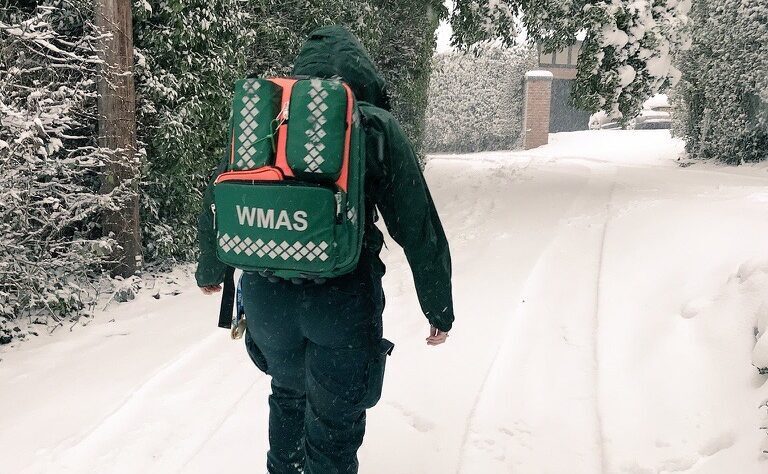
The winter months pose a significant risk to our health, especially to older people and those with underlying health conditions, especially when the temperature drops. There are lots of measures you can take so that you keep warm and safe.”
When the temperature starts to drop in winter, it’s not just coughs, colds and flu you need to protect yourself from. Cold temperatures and winter weather brings a number of risks to you and your family. On this page you will find some useful advice on how to stay warm and safe during the winter months.
Whilst exposure to cold weather can affect anyone, some people are particularly at risk. These include:
- people aged 65 and older
- babies and children under the age of 5
- people on a low income (so cannot afford heating)
- people who have a long-term health condition
- people with a disability
- pregnant women
- people who have a mental health condition
Prevent illnesses
There are some things you can do to help yourself stay well in winter.
Do
- Getting your flu vaccine and COVID-19 vaccine every year, if you’re eligible, tops up your protection and reduces your risk of getting severe symptoms.
- Practice good hand hygiene by washing your hands regularly.
- Keeping warm over the winter months can help to prevent colds, flu and more serious health problems such as heart attacks, strokes, pneumonia and depression.
Keep warm
It is important to keep warm and safe in winter both inside and outdoors too. Keeping warm can help to prevent colds, flu and more serious health problems.
At home
- Try to heat rooms you spend a lot of time in (e.g. living room or bedroom) to at least 18°C
- Try to reduce draughts; you can fit draft excluders around doors cheaply to maximise the heat in your home and minimise cold getting in.
- Keep your bedroom windows closed at night as breathing cold air can be bad for your health as it increases the risk of chest infections.
- If you have an open fire, make sure they are properly ventilated.
- Ensure you have a working carbon monoxide and fire alarm.
- Check your heating and cooking appliances are safe. Contact a Gas Safe registered engineer to make sure they’re working properly.
Outside
- Wrap up warm by wearing several layers of clothing, a hat, gloves and a scarf and keep dry to prevent loss of body heat.
- Wear sturdy footwear to prevent slips and falls.
- Watch out for signs of hypothermia.
- Take care when shovelling snow and gritting pavements and paths. Cold air makes it harder to work and breathe, which adds some extra strain on the body and can be the cause of heart attacks in the vulnerable.
- Be aware of black ice and when walking on compacted snow – it may have turned to ice.
Check on others
If you’ve got neighbours and relatives who are older, very young or have long-term health conditions, it’s really important to check in with them as they are at particular risk from the cold.
Do
- Check they have stocks of food and medicine so that they don’t need to go out during very cold weather.
- Check they are warm enough in their home.
- Keep in touch with them and ask if they need any practical help or if they’re feeling unwell so that you can support them.
Travel advice
When ice and snow are forecast, there are a number of things you can do to prepare for a wintery journey if you need to travel. However you choose to travel, always allow extra time for your journey.
Before your journey
- Allow extra time and leave earlier than normal to give yourself more time.
- Going on a long journey? Take drinks, snacks and a phone charger with you in case you are delayed.
- Download the What3Words app – if you don’t know where you are and need emergency help, give us your What3Words location.
Walking?
- Wear sturdy footwear to prevent slips and falls.
- Wrap up warm by wearing several layers of clothing, a hat, gloves and a scarf and keep dry to prevent loss of body heat.
- If you can, walk on gritted or cleared paths.
- The risk of falling increases when it’s dark and icy in the winter months. Take a light with you to see where you’re stepping.
Driving?
- Before you head off in winter, it’s best to be prepared. Pack an emergency travel kit.
- Check your lights and tyres.
- Clear all windows of frost and snow.
- In snow and icy conditions you may need up to 10 times the normal gap between your car and the car in front so leave extra stopping distance from the vehicle in front.
- Accelerate gently, using low revs. You may need to take off in second gear to avoid skidding.
- Keep both hands on the wheel and take your time.
- Adjust your driving style by accelerating and braking gently in icy and snowy conditions.
- Look out for gritters spreading salt or using snow ploughs, and only overtake if it’s safe to do so.
Cycling?
- Start your ride warm – if you’re warm when you start you’ll stay warm for your commute.
- Adjust your cycling style by accelerating and braking gently in icy and snowy conditions.
- Choose roads that have been gritted or are clear of snow and ice. Be cautious of black ice and keep away from the edge of the road where slush accumulates.
- If you can, use tyres with a deeper tread and lower the pressure in your tyres for improved grip
- Between 40-45% of body heat is lost through the head and neck so it’s vital to keep your head warm during winter rides. Try an additional layer under your helmet to help trap heat.
Using public transport?
- It’s important to plan your journey in advance, particularly if you’re travelling on routes you’re not familiar with.
- Check the availability of service areas and traffic conditions along your route before you leave (National Rail, Network Rail, National Highways